
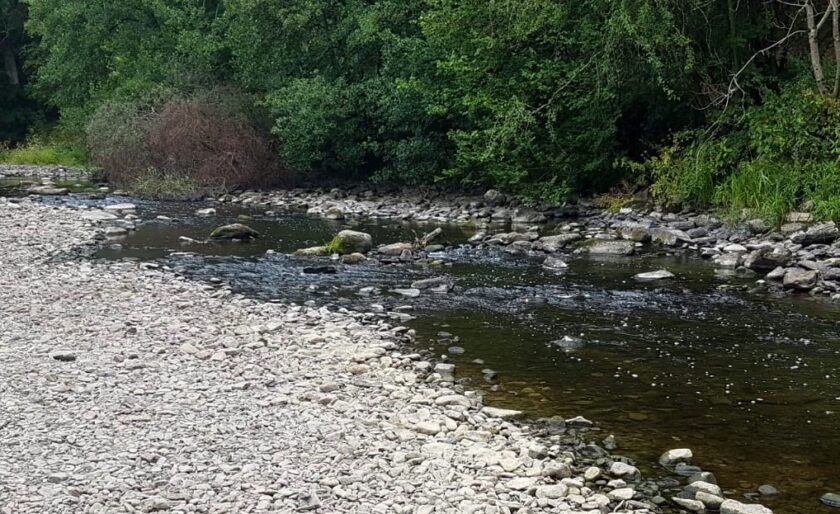
Drought has been declared across North Wales, including the river catchments covering Flintshire, after widespread wildfires, record-low river flows and weeks of hot, dry weather.
Natural Resources Wales (NRW) confirmed the declaration today, Wednesday 23 July.
It covers North Gwynedd, Ynys Môn, South Gwynedd, the Dee (Wales), Clwyd and the Upper Severn.
A catchment is the area of land drained by a river, and the Dee and Clwyd catchments between them take in Flintshire.
North Wales and the Upper Severn has received less than 2% of its expected rainfall for the month so far.
NRW said many areas of North Wales have seen no significant rainfall since 6 July, and July is on course to become the driest on record in Wales for almost 190 years if heavy rain does not arrive before the end of the month.
River flows across large parts of the region are exceptionally low for the time of year, with some locations recording new monthly minimum flows and others approaching record lows.
Groundwater levels continue to fall and river temperatures have been high.
At the same time, all remaining catchments across south-west Wales have moved from normal to prolonged dry weather status.
NRW confirmed the same change for South East Wales last week, meaning all of Wales is now experiencing either prolonged dry weather or drought conditions.
Drought is declared when a combination of indicators show a shortage of rainfall and water availability serious enough to affect rivers, groundwater, ecosystems, agriculture and land management.
It does not automatically mean water shortages for customers, and water companies report that reservoir levels remain healthy overall.
People are being encouraged to use water wisely to reduce pressure on the environment.
Rhian Thomas, Sustainable Water and Nature Manager at NRW, said: “The prolonged period of hot, dry weather we have experienced this summer is now having serious impacts on the environment across parts of Wales.
“We have seen rivers fall to exceptionally low levels, groundwater continuing to decline, and increasing reports of environmental impacts affecting wildlife, fisheries, farming and sensitive habitats.